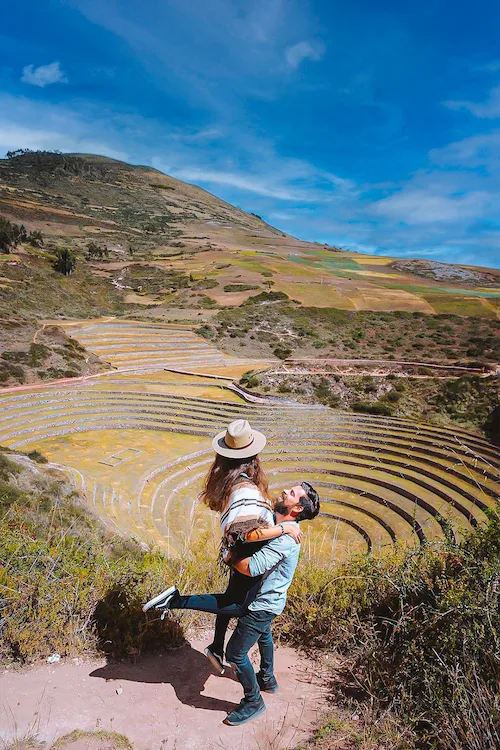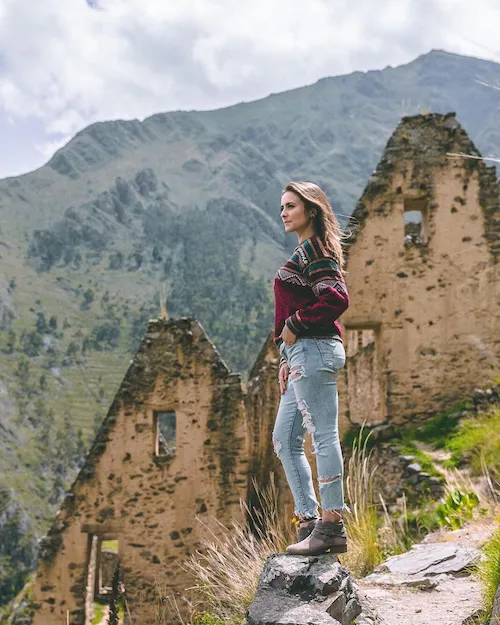
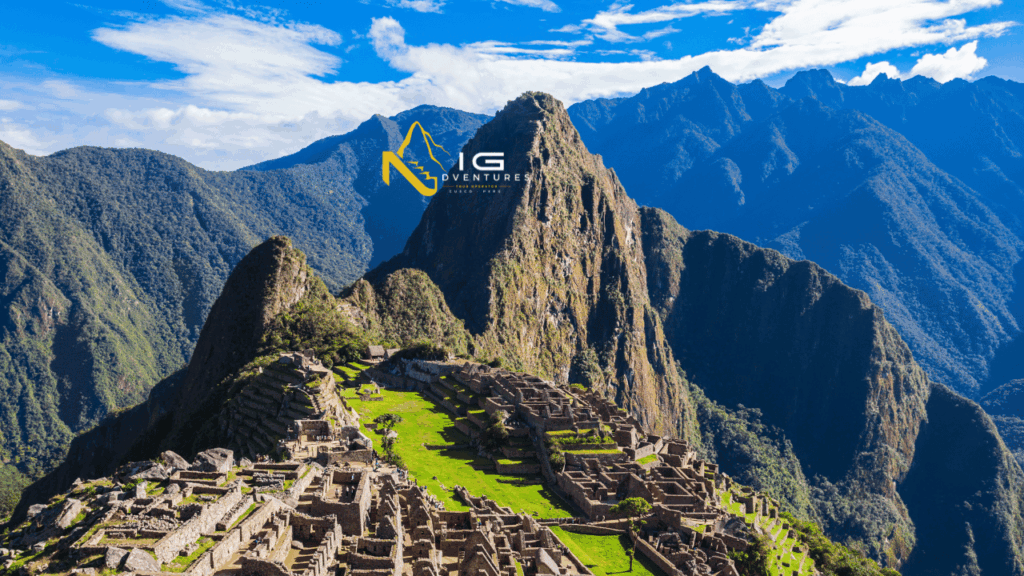
Machu Picchu and Choquequirao are two of Peru’s most impressive Inca archaeological sites. Both are surrounded by spectacular Andean landscapes, preserve fascinating architecture and offer a deep connection with the history of the Inca civilization. However, the experience of visiting each destination is completely different.
Machu Picchu is easier to reach, has well-organized tourist services and can be visited in one day. Choquequirao, on the other hand, requires a demanding multi-day trek and rewards travelers with solitude, adventure and a more remote atmosphere.
So, which one should you choose? This Machu Picchu vs. Choquequirao comparison will help you make the right decision based on your physical condition, available time, budget and preferred travel style.
What Is Machu Picchu?
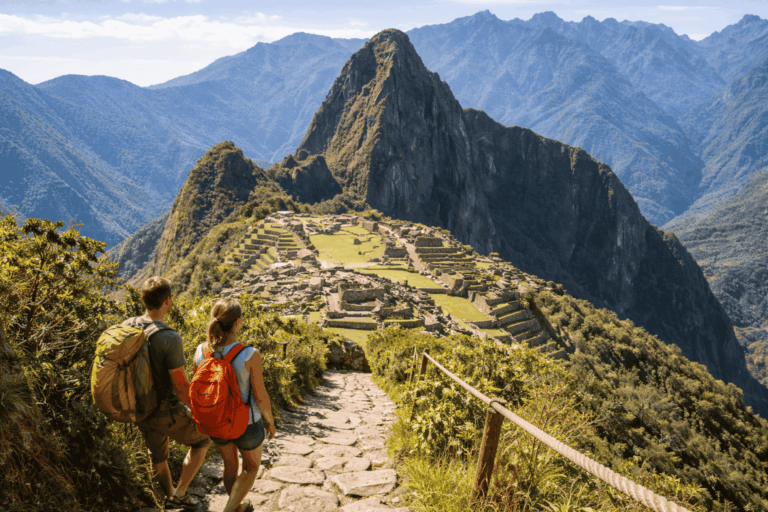
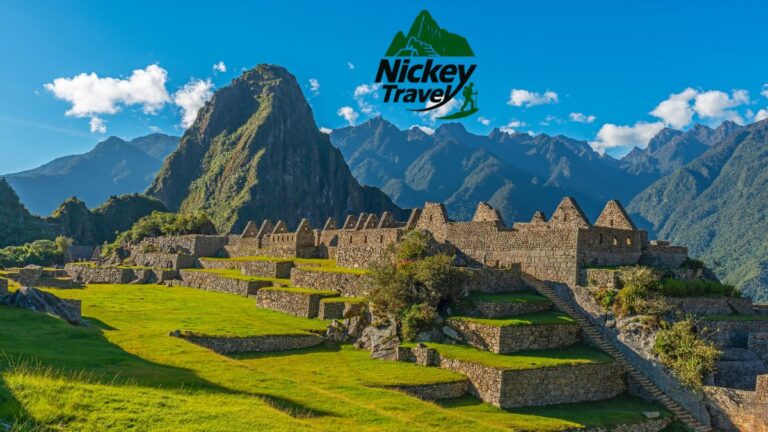
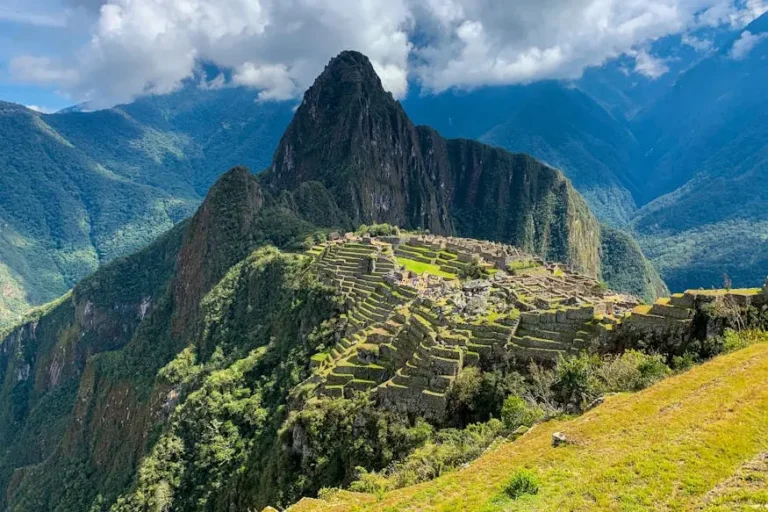
Machu Picchu is an Inca city located in the province of Urubamba, in the Cusco region, at approximately 2,430 meters above sea level. Built during the 15th century, it contains agricultural terraces, temples, plazas, residences and sophisticated hydraulic structures.
Its extraordinary architecture and privileged location between the Andes and the Amazon rainforest have made it Peru’s most internationally recognized attraction. Machu Picchu was inscribed on UNESCO’s World Heritage List in 1983 as a mixed cultural and natural site.
Most travelers reach the archaeological complex by train from Cusco or Ollantaytambo to Machu Picchu Pueblo, also known as Aguas Calientes. From there, visitors take a bus or walk uphill to the entrance.
The site currently has three main visitor circuits divided into different routes. Each route provides access to specific areas, so travelers should carefully check the selected option before purchasing a ticket. Official Machu Picchu circuits and routes
What Is Choquequirao?
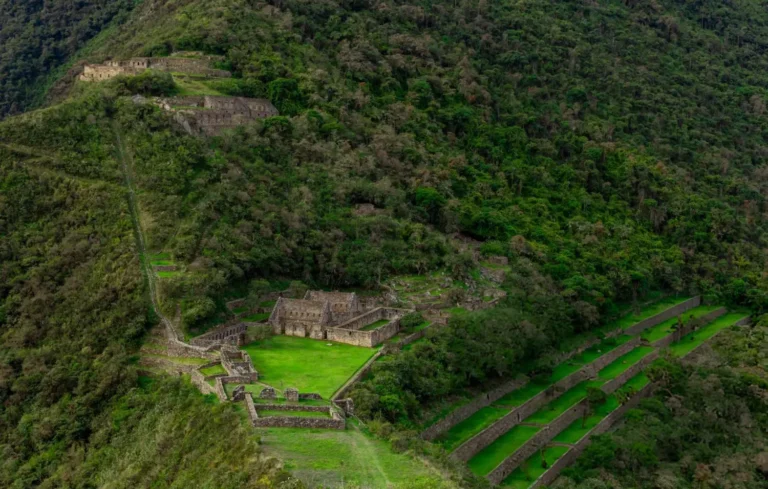
Choquequirao is an extensive Inca archaeological complex located in the Vilcabamba mountain range, overlooking the Apurímac River canyon. Its name is commonly interpreted as “Cradle of Gold.”
The complex includes ceremonial plazas, agricultural terraces, residential sectors, irrigation channels and the famous llama figures incorporated into stone terraces. Its isolated location creates a powerful sense of exploration that is difficult to experience at more accessible archaeological attractions.
Unlike Machu Picchu, Choquequirao cannot normally be reached by train or regular tourist bus. The traditional route involves traveling by road toward Cachora and then continuing on foot through the Apurímac canyon. Peru’s Ministry of Culture identifies Cachora as one of the principal access routes to the archaeological park. Cusco Directorate of Culture: Choquequirao
A classic Choquequirao trek generally takes four or five days, depending on the itinerary, the trailhead used and the traveler’s pace.
Machu Picchu vs. Choquequirao: Main Differences
| Feature | Machu Picchu | Choquequirao |
|---|---|---|
| Type of experience | Cultural visit with organized access | Remote trekking and archaeological adventure |
| Approximate altitude | 2,430 m above sea level | Around 3,000 m above sea level |
| Typical duration | One full day or 2 days/1 night | Usually 4 or 5 days |
| Access | Train, bus and optional hikes | Primarily reached on foot |
| Physical difficulty | Low to moderate, depending on the route | High |
| Number of visitors | High | Considerably lower |
| Tourist services | Extensive | Limited along the trail |
| Accommodation | Hotels in Machu Picchu Pueblo | Campsites and basic rural services |
| Advance planning | Entrance and train tickets required | Trekking logistics and camping equipment required |
| Recommended for | First-time visitors and travelers with limited time | Experienced hikers and adventure travelers |
Which Destination Is Easier to Visit?
Machu Picchu
Machu Picchu is the easier option. Travelers can depart from Cusco or the Sacred Valley, take a train to Machu Picchu Pueblo and continue by bus to the archaeological site.
It is suitable for families, older adults and travelers who do not want to undertake a demanding expedition. Nevertheless, some routes contain steep stone steps and uneven surfaces, so comfortable footwear is essential.
Entrance tickets are limited and assigned according to a specific circuit, route and entry time. Therefore, booking in advance is strongly recommended, especially during the busiest travel months. Tickets can be purchased through the official Machu Picchu ticket platform.
Choquequirao
Choquequirao is much more physically demanding. The trek involves long descents and ascents through the Apurímac canyon, significant elevation changes, warm conditions in lower areas and colder temperatures at higher campsites.
The challenge is not simply the altitude. The continuous climbs, steep sections and accumulated fatigue make good physical preparation essential.
For this reason, Choquequirao is best suited to travelers who:
- Exercise regularly.
- Have previous hiking experience.
- Can walk for several consecutive days.
- Are comfortable sleeping in campsites.
- Want a challenging and less conventional adventure.
Which Destination Has Better Scenery?
Both destinations offer exceptional landscapes, but their scenery creates different experiences.
The landscape around Machu Picchu
Machu Picchu is surrounded by dramatic green mountains, cloud forest and the winding Urubamba River. Its architecture appears to blend naturally into the mountain ridge, creating one of the world’s most recognizable archaeological landscapes.
The views are especially impressive from panoramic routes and nearby mountains, although access depends on the ticket purchased.
The landscape around Choquequirao
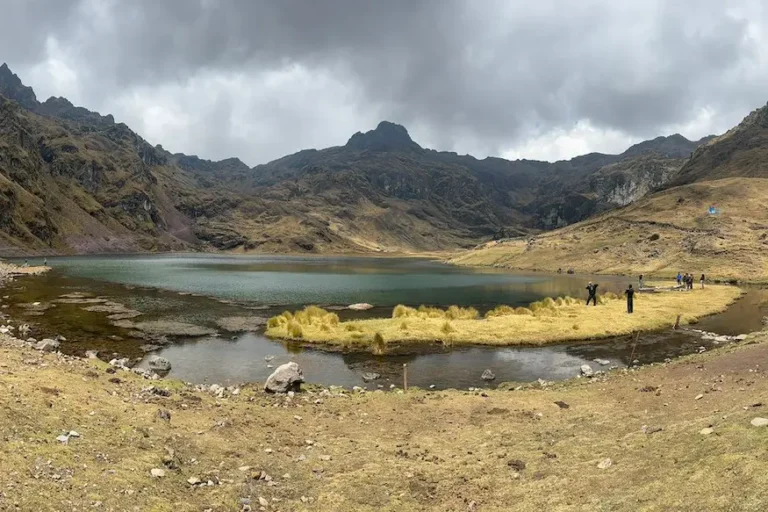
Choquequirao offers a broader trekking experience. Along the route, hikers see the Apurímac canyon, snow-covered peaks, dry mountain slopes, cloud forest, waterfalls and rapidly changing ecosystems.
The landscape is not limited to the archaeological site. The entire journey becomes part of the attraction.
Verdict: Choose Machu Picchu for an iconic and compact panoramic experience. Choose Choquequirao for a longer immersion in remote Andean nature.
Which Site Has More Tourists?
Machu Picchu receives far more visitors and operates with scheduled entry times and established visitor routes. Although these measures help protect the site and manage circulation, popular viewpoints may still feel busy.
Choquequirao generally provides a quieter experience because reaching it requires several days of hiking. Visitors can explore the archaeological complex with fewer people and enjoy a stronger sense of remoteness.
If avoiding crowds is one of your main priorities, Choquequirao is the better choice.
Which Destination Offers More History?
Both sites are historically important, but they provide different ways of understanding the Inca world.
Machu Picchu stands out for its refined stonework, ceremonial spaces, agricultural terraces, water channels and sophisticated adaptation to mountainous terrain. Its excellent state of preservation makes it easier for travelers to visualize the organization of an Inca settlement.
Choquequirao impresses visitors with its scale, mountain setting and diversity of sectors. Its platforms decorated with stone llama figures are among its most distinctive features. Because the complex is extensive and relatively isolated, exploring it often feels more like an archaeological expedition.
Verdict: Machu Picchu offers the most famous and immediately recognizable historical experience, while Choquequirao provides a more exploratory encounter with Inca heritage.
How Much Time Do You Need?
Time needed for Machu Picchu
Machu Picchu can be included in:
- A full-day trip from Cusco.
- A two-day journey with one night in Machu Picchu Pueblo.
- A longer itinerary through the Sacred Valley.
- A multi-day trek such as the Inca Trail or Salkantay Trek.
A two-day itinerary is often more comfortable because it reduces travel pressure and allows visitors to rest before entering the site.
Time needed for Choquequirao
Most travelers need at least four days for the classic Choquequirao trek. A five-day itinerary offers a more comfortable pace and more time to explore the archaeological complex.
Additional days may be necessary for longer routes connecting Choquequirao with other parts of the Vilcabamba mountain range.
Best Time to Visit Machu Picchu and Choquequirao
The drier period in the Cusco region generally runs from approximately April to October. These months usually offer more stable hiking conditions, although cold nights and occasional rain are still possible.
The rainiest period normally occurs between November and March. Machu Picchu remains accessible during much of the year, but cloud cover and rainfall may affect visibility and transportation.
Rain can make the Choquequirao trail more difficult because steep sections may become muddy or slippery. Landslides and changes in trail conditions are also possible, so current local information should always be checked before departure.
For Choquequirao, the drier months are generally the most suitable. For Machu Picchu, every season has advantages: the dry season offers more stable weather, while the rainy season produces greener landscapes and sometimes fewer visitors.
Which One Is More Expensive?
The final cost depends on the travel style and services selected.
Machu Picchu expenses may include:
- Entrance ticket.
- Train tickets.
- Bus transportation.
- Hotel accommodation.
- Professional guide.
- Meals and transfers.
Choquequirao does not usually involve an expensive train journey, but the expedition requires more logistical support:
- Transportation to and from the trailhead.
- Professional trekking guide.
- Camping equipment.
- Meals for several days.
- Horses or mules for equipment.
- Support staff and emergency planning.
Independent travelers may reduce some costs, but arranging a remote trek without sufficient experience can create unnecessary safety and logistical risks.
Machu Picchu or Choquequirao: Which One Should You Choose?
Choose Machu Picchu if:
- It is your first trip to Peru.
- You have only one or two available days.
- You prefer comfortable transportation.
- You are traveling with children or older relatives.
- You want to see Peru’s most famous Inca attraction.
- You prefer hotels instead of camping.
Choose Choquequirao if:
- You enjoy challenging multi-day treks.
- You have good physical fitness.
- You want to avoid large crowds.
- You prefer remote landscapes and wilderness.
- You have at least four or five days.
- You want an adventurous and less conventional experience.
Can You Visit Both Machu Picchu and Choquequirao?
Yes. Visiting both is an excellent option for travelers with enough time and adequate physical preparation.
Machu Picchu provides a highly organized visit to an iconic Inca city, while Choquequirao offers a demanding expedition through the Andes. Together, they reveal two very different sides of Peru’s archaeological and natural heritage.
However, you should allow recovery time between demanding activities, especially if your itinerary also includes other high-altitude destinations around Cusco.
Practical Tips Before Choosing
Acclimatize in Cusco
Spend at least one or two days adapting to the altitude before beginning a demanding trek. Cusco sits at approximately 3,399 meters above sea level, and some travelers may experience headache, fatigue or shortness of breath. Official Peru Travel information about Cusco
Book Machu Picchu in advance
Machu Picchu tickets are limited by route and entry time. Do not purchase train tickets without first verifying the availability of the entrance route you want.
Train before hiking to Choquequirao
Walking, climbing stairs and completing hikes with elevation gain can help prepare your legs and cardiovascular endurance.
Pack for changing weather
In the Andes, sunshine, wind, cold and rain can occur on the same day. Bring layered clothing, waterproof protection, sun protection and appropriate footwear.
Travel responsibly
Follow the marked trails, respect archaeological structures, carry out your waste and obey the instructions of guides and park staff. The Choquequirao archaeological site prohibits climbing its walls, camping inside the monument and flying drones without authorization. Official Choquequirao visitor regulations
Frequently Asked Questions
Is Choquequirao better than Machu Picchu?
Not necessarily. Choquequirao is better for hikers seeking solitude, physical challenge and remote scenery. Machu Picchu is better for travelers who want easier access, established services and an iconic archaeological experience.
Is Choquequirao more difficult than Machu Picchu?
Yes. A standard visit to Machu Picchu requires walking and climbing steps, but Choquequirao normally involves several days of demanding trekking with major elevation changes.
Can beginners hike to Choquequirao?
A motivated beginner with good fitness and proper preparation may complete the trek, preferably with professional support. However, it should not be treated as an easy introductory hike.
Can Machu Picchu be visited in one day?
Yes. It is possible to visit Machu Picchu on a full-day tour from Cusco, although the journey involves an early departure and a long travel day.
Does Choquequirao have a train?
No regular tourist train reaches Choquequirao. Access to the monumental area requires hiking from one of the established approaches.
Do I need a guide?
A professional guide greatly improves both experiences. At Machu Picchu, a guide explains the purpose and history of the structures. At Choquequirao, professional support is especially valuable for route planning, campsites, meals, equipment and safety.
Final Verdict: Machu Picchu or Choquequirao?
There is no single winner because the best destination depends on the type of traveler you are.
Machu Picchu is the best choice for accessibility, comfort and historical recognition. It is ideal for first-time visitors to Peru and travelers with limited time.
Choquequirao is the best choice for adventure, solitude and physical challenge. It is ideal for experienced hikers who want a deeper immersion in the Andes.
If time and physical condition allow, visiting both provides the most complete experience: Machu Picchu delivers the iconic image many travelers dream about, while Choquequirao offers the unforgettable feeling of reaching a remote Inca city on foot.
Explore Peru with Nig Adventures
At Nig Adventures, we help international travelers organize safe and memorable experiences in the Cusco region. Whether you prefer the comfort of Machu Picchu or the challenge of Choquequirao, our team can help you select the itinerary that best matches your time, fitness level and travel expectations.