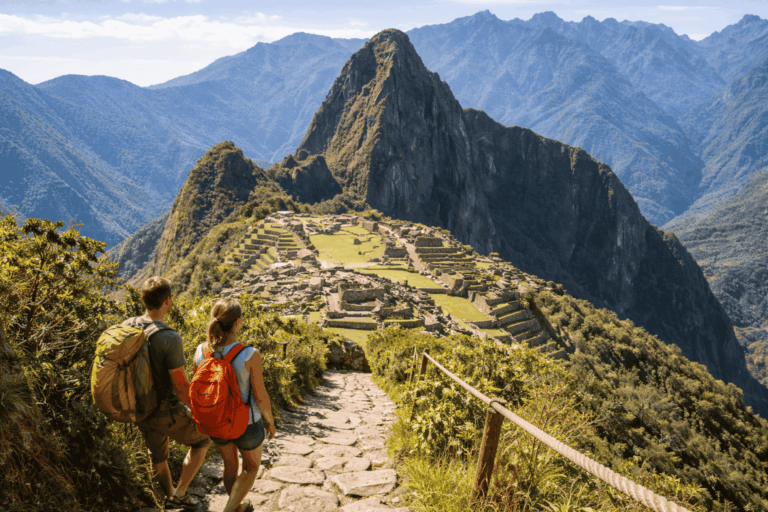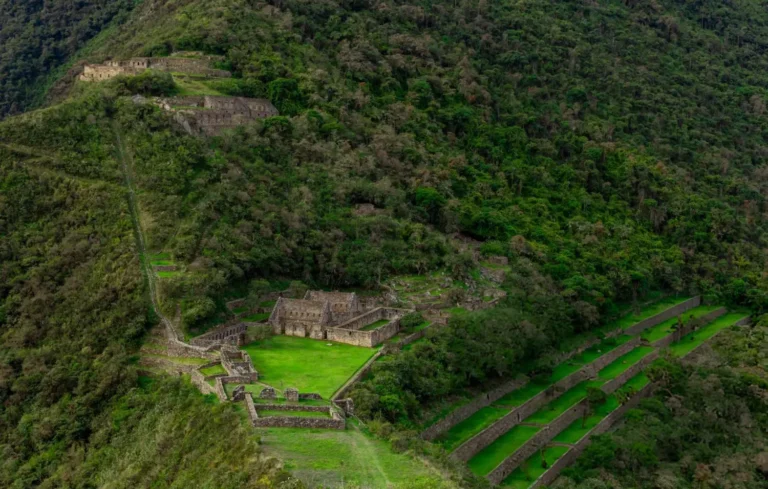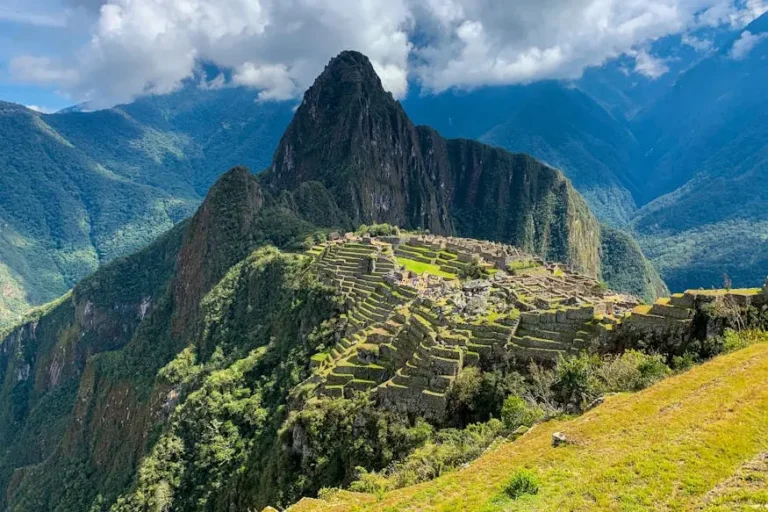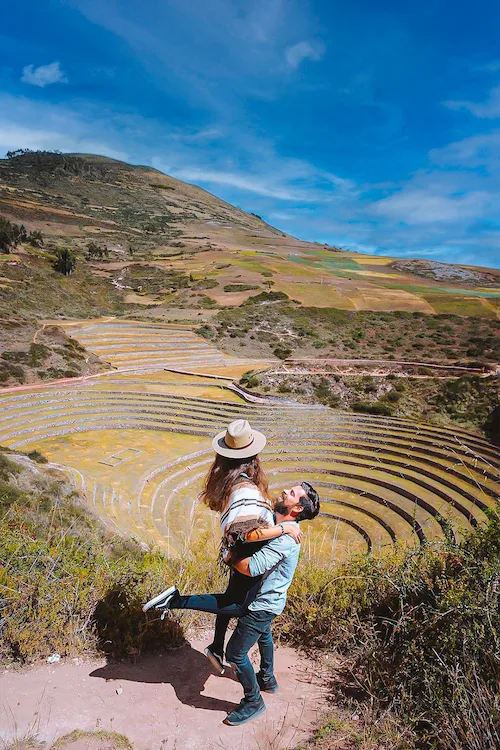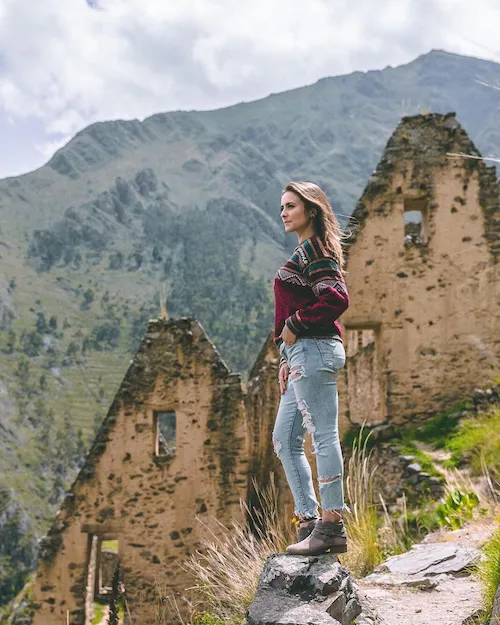
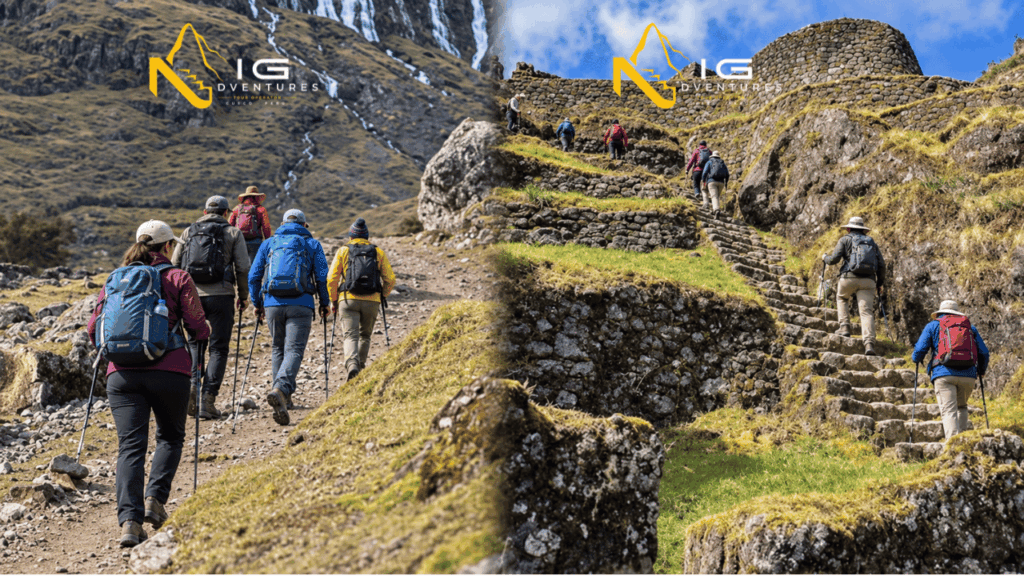
The Lares Trek and the Inca Trail are two excellent ways to combine hiking, Andean landscapes and a visit to Machu Picchu. However, they offer very different travel experiences.
The Classic Inca Trail is famous for its archaeological sites, original stone paths and iconic arrival at Machu Picchu through the Sun Gate. The Lares Trek focuses more on mountain scenery, traditional communities and daily life in the Peruvian Andes.
This Lares Trek vs. Inca Trail comparison explains their differences in difficulty, altitude, permits, culture, scenery, accommodation and access to Machu Picchu.
What Is the Lares Trek?
The Lares Trek is a group of hiking routes through the mountains and communities of the Lares Valley, located near the Sacred Valley of the Incas.
Unlike the Classic Inca Trail, Lares does not have only one standard itinerary. Routes may begin or end in different communities and commonly take between three and four days.
During the journey, hikers may pass through remote villages, high-altitude lagoons, agricultural areas and grazing lands filled with alpacas and llamas. The region is especially known for its traditional textiles and Quechua-speaking communities.
Peru’s official tourism portal describes Lares as one of the best trekking areas in the Cusco region and highlights its natural surroundings and living culture. Peru Travel: Lares Valley
What Is the Classic Inca Trail?
The Classic Inca Trail is a regulated four-day route through the Historic Sanctuary of Machu Picchu. It follows sections of the original Inca road system and passes several archaeological sites before reaching Machu Picchu.
The trek is normally completed in four days and three nights. Its most famous moment is the approach to Machu Picchu through Inti Punku, the Sun Gate.
Access is strictly controlled. Travelers may only enter with a permit arranged through a travel agency authorized by the Historic Sanctuary of Machu Picchu. Independent hiking is not allowed. SERNANP: Historic Sanctuary of Machupicchu
Lares Trek vs. Inca Trail: Main Differences
| Feature | Lares Trek | Classic Inca Trail |
|---|---|---|
| Standard duration | 3 or 4 days | 4 days and 3 nights |
| Main attraction | Communities and Andean culture | Archaeology and Inca history |
| Highest point | Usually between 4,400 and 4,700 m, depending on the route | Dead Woman’s Pass at approximately 4,215 m |
| Difficulty | Moderate to challenging | Moderate to challenging |
| Permit system | No limited Inca Trail permit | Official permit required |
| Independent hiking | Technically possible, but a guide is recommended | Not permitted |
| Archaeological sites | Few | Several along the route |
| Cultural interaction | High | Limited |
| Number of hikers | Generally lower | Limited but consistently popular |
| Arrival at Machu Picchu | Normally by train and bus after the trek | Through the Sun Gate |
| Route flexibility | High | Fixed and regulated |
| Accommodation | Camps, homestays or lodges, depending on the itinerary | Designated campsites |
Which Trek Offers More Archaeology?
Archaeology on the Inca Trail
The Inca Trail is the better route for travelers primarily interested in Inca history and archaeology.
Depending on the exact itinerary, hikers pass sites such as:
- Llactapata
- Runkurakay
- Sayacmarca
- Phuyupatamarca
- Wiñay Wayna
- Inti Punku
These complexes reveal how the Incas integrated roads, ceremonial buildings, agricultural terraces and settlements into a difficult mountain environment.
Hikers also walk along original stone paths and climb stairways constructed centuries ago. The archaeological experience continues throughout the journey rather than beginning only at Machu Picchu.
Archaeology on the Lares Trek
The Lares Trek does not contain the same concentration of archaeological sites. Its main historical value comes from the continuing cultural traditions of the communities rather than monumental Inca architecture.
Some itineraries may include archaeological attractions in the Sacred Valley before or after the trek, but these are not normally located directly along the central Lares hiking route.
Verdict: Choose the Inca Trail if archaeology is your main priority.
Which Trek Offers a Better Cultural Experience?
The Lares Trek is one of the strongest options for travelers interested in contemporary Andean culture.
Depending on the chosen route, hikers may visit communities where families speak Quechua, cultivate native crops, raise alpacas and llamas, and produce textiles using traditional techniques.
The experience may include opportunities to learn about:
- Alpaca and llama herding
- Traditional weaving
- Natural dyes
- High-altitude agriculture
- Quechua language and traditions
- Community organization
- Andean beliefs connected to nature
These visits should be conducted respectfully. Travelers should ask permission before taking photographs and avoid treating communities as tourist displays.
The Inca Trail also has cultural value, but its principal focus is archaeological heritage. Contact with inhabited communities is much more limited because the route crosses a protected sanctuary.
Verdict: Choose Lares for living Andean culture and the Inca Trail for ancient Inca heritage.
Which Trek Has Better Landscapes?
Both treks offer impressive scenery, but the landscapes are different.
Landscapes on the Lares Trek
Depending on the route, Lares may include:
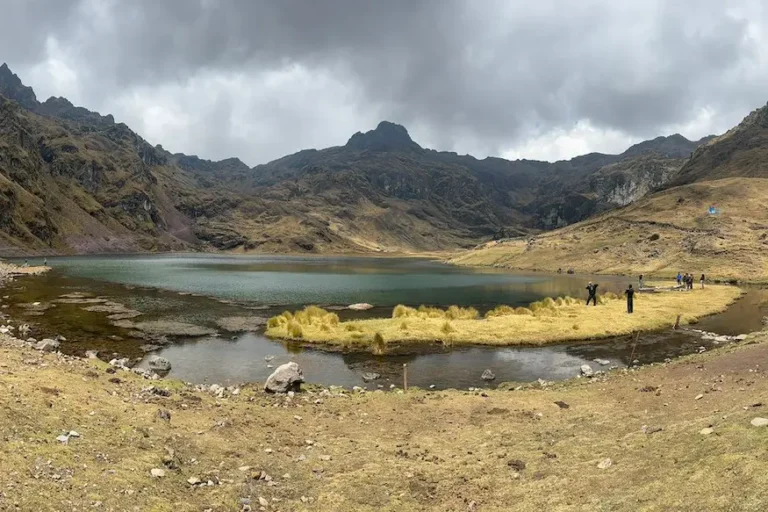
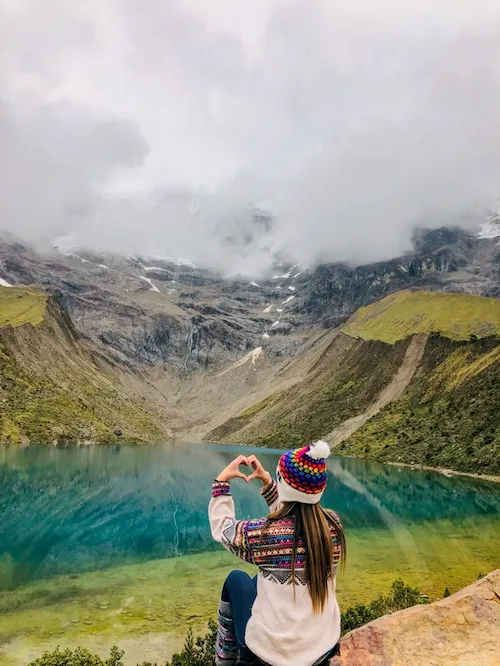
- High-altitude lagoons
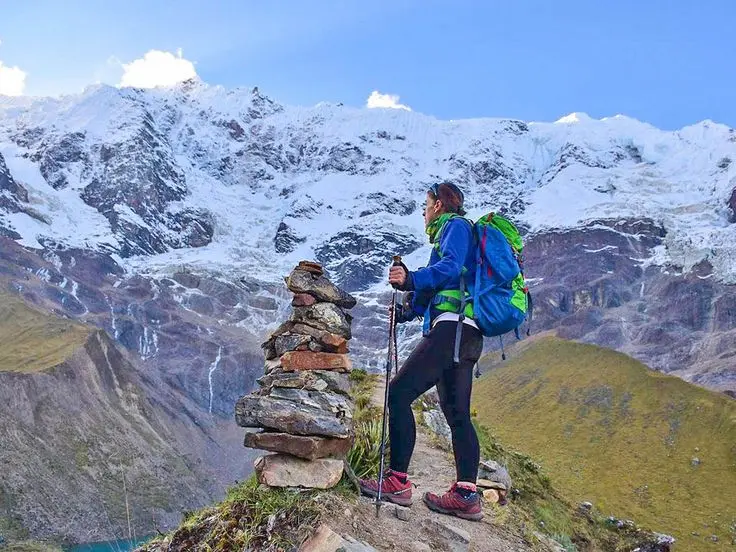
- Snow-covered mountains
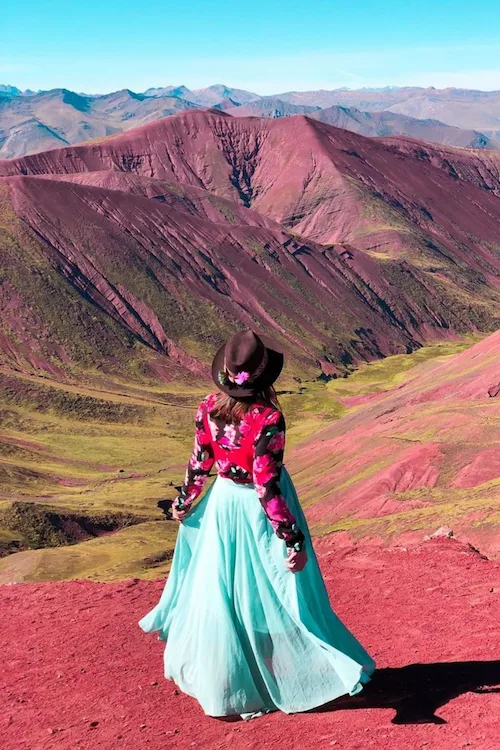
- Broad Andean valleys
- Alpaca and llama herds
- Waterfalls and streams
- Traditional farmland
- Remote villages
- Native grasslands
Lares feels open, rural and peaceful. The scenery is closely connected with the communities that live and work in the valley.
Landscapes on the Inca Trail
The Inca Trail includes:
- Mountain passes
- Deep valleys
- Cloud forest
- Original Inca roads
- Archaeological terraces
- Native vegetation and orchids
- Views over the Urubamba region
- The first approach to Machu Picchu from the Sun Gate
The Historic Sanctuary of Machu Picchu protects a transition zone between the Andes and the high jungle, creating considerable biological diversity. SERNANP: Historic Sanctuary of Machupicchu
Verdict: Lares offers a more traditional high-Andean landscape, while the Inca Trail combines mountain scenery, cloud forest and archaeology.
Which Trek Is More Difficult?
Both routes require good physical preparation. The exact difficulty of Lares depends heavily on the selected itinerary because there is no single fixed trail.
Lares Trek difficulty
The principal challenges may include:
- Passes between approximately 4,400 and 4,700 meters
- Cold nights at high elevation
- Long ascents and descents
- Remote terrain
- Rapid weather changes
- Several consecutive days of hiking
Although some Lares itineraries cover shorter distances than the Inca Trail, they may reach higher elevations.
Inca Trail difficulty
The Inca Trail’s main difficulties include:
- Thousands of uneven stone steps
- Steep ascents and descents
- Humid conditions in the cloud forest
- Several mountain passes
- Three nights of camping
- The climb to Dead Woman’s Pass
Dead Woman’s Pass, or Warmiwañusca, reaches approximately 4,215 meters and is the highest point of the Classic Inca Trail.
Verdict: Neither route is automatically easier. Lares may reach a higher elevation, while the Inca Trail has more demanding stone steps and a fixed daily schedule.
Altitude Comparison
| Altitude factor | Lares Trek | Classic Inca Trail |
|---|---|---|
| Highest common point | Approximately 4,400–4,700 m | Approximately 4,215 m |
| Time at high elevation | Varies by route | Concentrated around the main passes |
| Main challenge | Higher and more exposed passes | Steep steps and accumulated climbing |
| Recommended acclimatization | At least 2–3 days | At least 2–3 days |
Travelers should spend time acclimatizing in Cusco or the Sacred Valley before beginning either trek.
Altitude sickness can affect anyone, including physically fit hikers. Common mild symptoms include headache, fatigue, dizziness, nausea and difficulty sleeping. Worsening symptoms require immediate attention and may make descent necessary.
Which Trek Is Easier to Book?
Booking the Inca Trail
The Inca Trail requires an official permit linked to the traveler’s passport information. Daily capacity is limited, and spaces may sell out months in advance, particularly during the dry season.
Permits cannot simply be transferred between travelers, and access must be organized through an authorized agency.
If permits are unavailable for your date, another agency cannot legally create more spaces.
Booking the Lares Trek
Lares does not use the same restricted permit system. This normally allows:
- More flexible travel dates
- Reservations closer to departure
- Different route alternatives
- Private or customized itineraries
- Adjustments based on fitness and available time
However, the Machu Picchu ticket and train still require advance planning.
Verdict: Lares is considerably easier and more flexible to book.
How Do the Routes Reach Machu Picchu?
This difference is essential.
Inca Trail arrival
The Classic Inca Trail enters Machu Picchu through Inti Punku, the Sun Gate. For many travelers, seeing the Inca city from this historical access point is the most memorable moment of the trek.
Lares Trek arrival
The Lares Trek does not directly enter Machu Picchu. Most programs finish the hike near the Sacred Valley and then use road and train transportation to reach Machu Picchu Pueblo.
Travelers normally spend the night in town and visit Machu Picchu the following day according to their reserved circuit and entry time.
Some specialized itineraries combine Lares with the one-day Short Inca Trail, but this requires the corresponding official permit. Peru’s tourism portal presents this type of combination as a way to experience Lares and conclude with an Inca Trail approach to Machu Picchu. Peru Travel: Journey to the Heart of Peru
Verdict: Choose the Classic Inca Trail for the iconic arrival through the Sun Gate.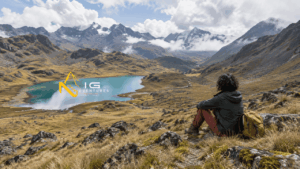
Which Trek Is Less Crowded?
The Classic Inca Trail has a controlled number of users, but it remains extremely popular. Groups follow the same general path, visit the same archaeological sites and stay at designated camping areas.
Lares offers several possible routes, allowing groups to spread across a broader area. Some sections may feel very remote and peaceful.
The number of other hikers in Lares depends on the selected itinerary and travel season, but it is generally a quieter alternative.
Verdict: Lares is usually the better choice for travelers seeking solitude.
Accommodation and Campsites
Accommodation on the Inca Trail
The Classic Inca Trail uses designated campsites within the protected route. Tour packages generally provide:
- Tents
- Sleeping mats
- Dining tent
- Cooking equipment
- Meals
- Porter services
Facilities are basic, and travelers cannot choose hotels or lodges during the trek.
Accommodation on the Lares Trek
Accommodation varies according to the route and operator. It may include:
- Traditional campsites
- Community homestays
- Rustic lodges
- Mountain lodges
- A hotel in Machu Picchu Pueblo
This variety can make Lares more suitable for travelers seeking greater comfort or community-based accommodation.
Lares Trek vs. Inca Trail: Which Is More Expensive?
The Classic Inca Trail is often more expensive because its packages include regulated permits, authorized personnel, porters and specialized logistics inside a protected area.
Lares prices vary more widely. A camping itinerary may be comparatively affordable, while a private lodge-based or community-focused program may cost more.
Before comparing prices, verify whether each package includes:
- Trekking entrance or community fees
- Machu Picchu entrance ticket
- Train tickets
- Bus tickets
- Transportation from Cusco
- Professional guide
- Cook and meals
- Camping equipment
- Sleeping bag
- Horses or porters
- Hotel in Machu Picchu Pueblo
- Emergency oxygen
- Return transportation
A low price may exclude essential services, so travelers should compare complete packages rather than advertisements alone.
Best Time for the Lares Trek and Inca Trail
The drier period between April and October generally offers more stable hiking conditions. SERNANP also identifies this period as the recommended season for visiting the Historic Sanctuary of Machu Picchu. Official visitor information
June, July and August often provide clearer skies but colder nights and higher demand.
The rainier period normally extends from November through March. Possible conditions include:
- Muddy and slippery trails
- Heavy rain
- Cloudy views
- Snow or hail at high passes
- Transportation delays
- Changes to the planned itinerary
Before booking, verify whether your chosen route will be operating on the intended date. The Inca Trail may close during scheduled conservation periods.
Choose the Lares Trek If:
- You want to meet traditional Andean communities.
- You are interested in weaving and living culture.
- You prefer a quieter and more flexible route.
- Inca Trail permits are unavailable.
- You enjoy high-altitude lagoons and pastoral landscapes.
- You want different accommodation options.
- You do not mind reaching Machu Picchu by train and bus.
Choose the Inca Trail If:
- You want to walk on original Inca roads.
- Archaeological sites are your main interest.
- You want to enter Machu Picchu through the Sun Gate.
- You prefer a fixed and regulated itinerary.
- You can reserve several months in advance.
- You are comfortable camping for three nights.
- You want the classic trekking experience to Machu Picchu.
Is the Lares Trek Suitable for Beginners?
A physically active beginner may complete a suitable Lares itinerary with proper training, acclimatization and professional guidance.
Because the Lares Valley has several routes, travelers can select an itinerary based on their fitness and experience. However, even shorter versions can reach serious elevations and should not be underestimated.
The Classic Inca Trail is also possible for prepared beginners, but its steep steps, fixed schedule and limited exit points require commitment.
Before either trek, train with:
- Long walks
- Uphill hiking
- Stair climbing
- Cardiovascular exercise
- A light backpack
- The boots you plan to use in Peru
Responsible Travel in Lares Communities
The Lares Trek passes through places where people live, raise animals and maintain longstanding cultural traditions. Visitors should behave as respectful guests.
Important recommendations include:
- Ask before photographing residents.
- Do not photograph children without permission from a responsible adult.
- Avoid giving sweets or money directly to children.
- Purchase textiles at fair prices.
- Do not pressure people to pose.
- Respect private homes, crops and grazing areas.
- Carry out all non-biodegradable waste.
- Follow the instructions of your guide and community representatives.
Responsible tourism should support communities without turning their daily lives into a performance.
Essential Packing List
For either trek, bring:
- Waterproof trekking boots
- Thermal base layers
- Warm fleece or jacket
- Waterproof jacket
- Warm hat and gloves
- Sun hat and sunglasses
- High-SPF sunscreen
- Reusable water bottle
- Personal medication
- Headlamp
- Trekking poles
- Small backpack
- Rain cover or dry bags
- Portable charger
- Passport
- Cash in Peruvian soles
For Lares, warm clothing is particularly important because camps and mountain passes may be cold. For the Inca Trail, reliable rain protection is essential because of the humid cloud-forest sections.
Frequently Asked Questions
Is Lares better than the Inca Trail?
Lares is better for travelers interested in traditional communities, high-altitude landscapes and a quieter route. The Inca Trail is better for archaeology, original Inca roads and the classic arrival at Machu Picchu.
Is Lares harder than the Inca Trail?
It depends on the selected route. Lares may reach a higher altitude, but the Inca Trail contains more steep and uneven stone steps.
Does the Lares Trek include Machu Picchu?
Most Lares packages include Machu Picchu after the hike, but the trek itself does not directly enter the archaeological site. Travelers normally continue by train and visit Machu Picchu the following day.
Does Lares require a permit?
Lares does not require the same restricted permit used for the Classic Inca Trail. Local or community entrance fees may apply, and Machu Picchu tickets must be arranged separately.
Can I hike the Inca Trail independently?
No. Entry must be arranged through an authorized travel agency, and hikers must follow the official regulations of the Historic Sanctuary.
Which route is better for families?
A customized Lares itinerary may offer more flexibility for active families. However, age, altitude tolerance, fitness and weather conditions must be considered individually.
How far in advance should I book?
Reserve the Inca Trail as early as possible because permits are limited. Lares can usually be booked with greater flexibility, but the Machu Picchu entrance and train should still be secured in advance.
Lares Trek or Inca Trail: Final Verdict
There is no single winner in the Lares Trek vs. Inca Trail comparison.
Choose the Lares Trek if you want a quieter and more flexible experience focused on mountain communities, traditional textiles, alpaca herds and high-Andean landscapes.