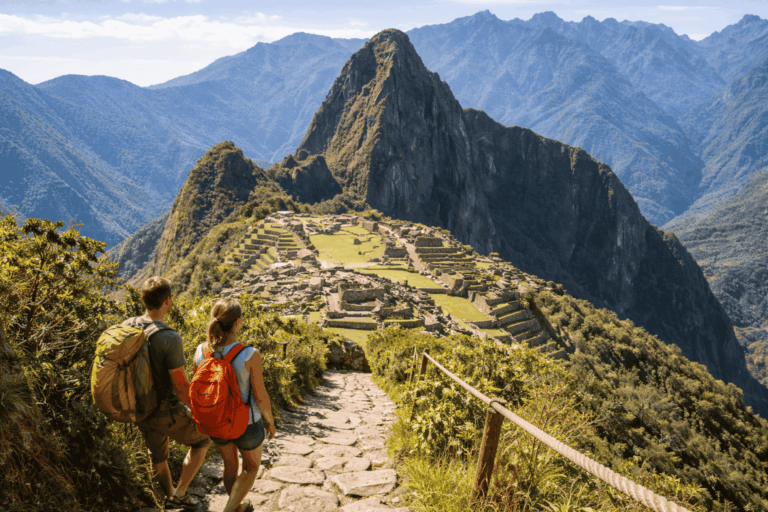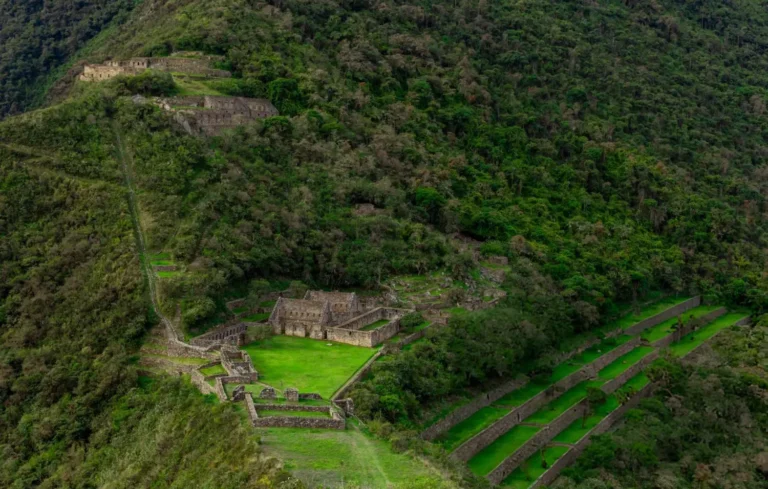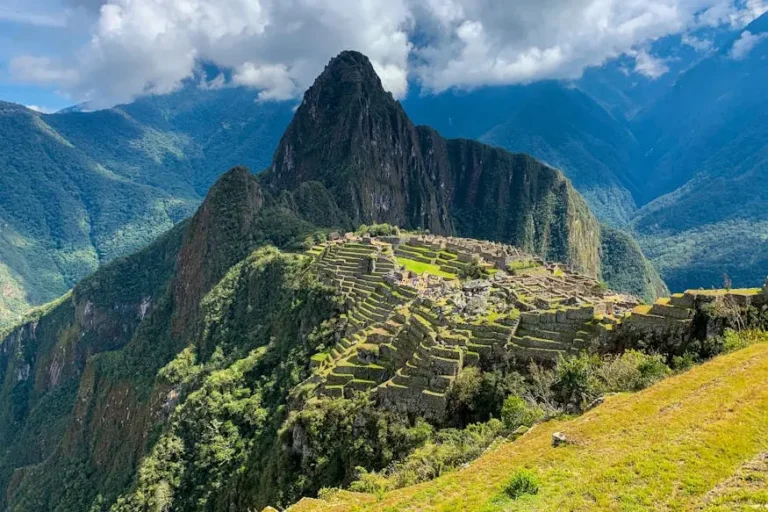
The Inca Trail and the Salkantay Trek are two of the most famous trekking routes to Machu Picchu. Both offer unforgettable landscapes, physically demanding hikes and the reward of visiting Peru’s most iconic Inca city. However, the experiences are very different.
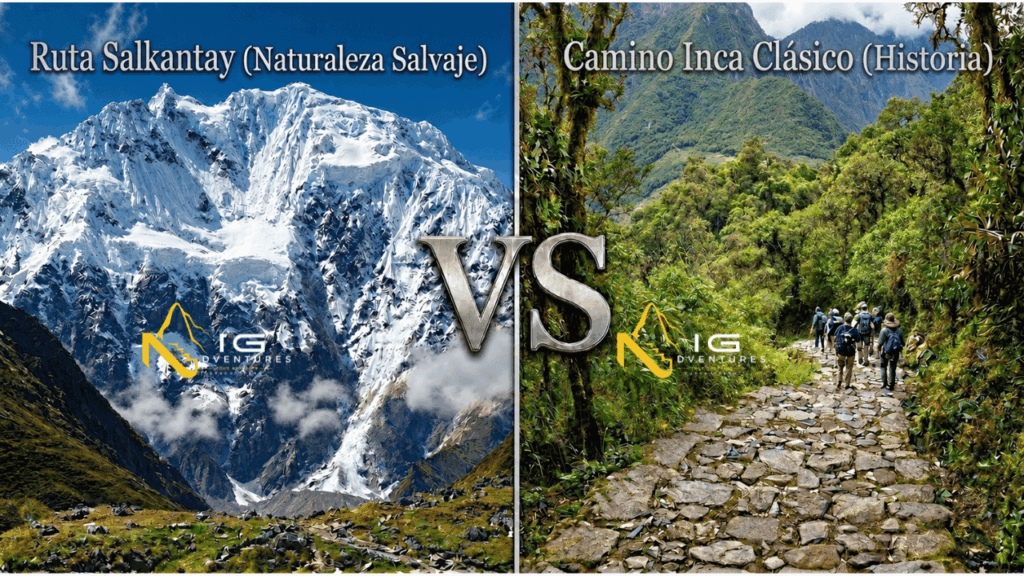
The Inca Trail stands out for its archaeological sites, original Inca paths and arrival at Machu Picchu through the Sun Gate. The Salkantay Trek offers higher mountains, glacial scenery, dramatic ecological changes and greater flexibility when booking.
This Inca Trail vs. Salkantay Trek comparison explains their differences in duration, difficulty, altitude, landscapes, availability and costs so you can choose the best adventure for your trip to Peru.
What Is the Classic Inca Trail?
The Classic Inca Trail is a protected trekking route that follows part of the historical road system constructed by the Incas. It passes through archaeological sites, mountain passes and cloud forests before entering Machu Picchu through Inti Punku, the Sun Gate.
The standard itinerary lasts four days and three nights. There are also shorter and longer official routes, but the four-day trek is the best-known option.
Because the trail crosses the Historic Sanctuary of Machu Picchu, access is strictly regulated. Travelers must enter through a travel agency authorized by the sanctuary administration. Independent access is not permitted. SERNANP: Historic Sanctuary of Machupicchu
What Is the Salkantay Trek?
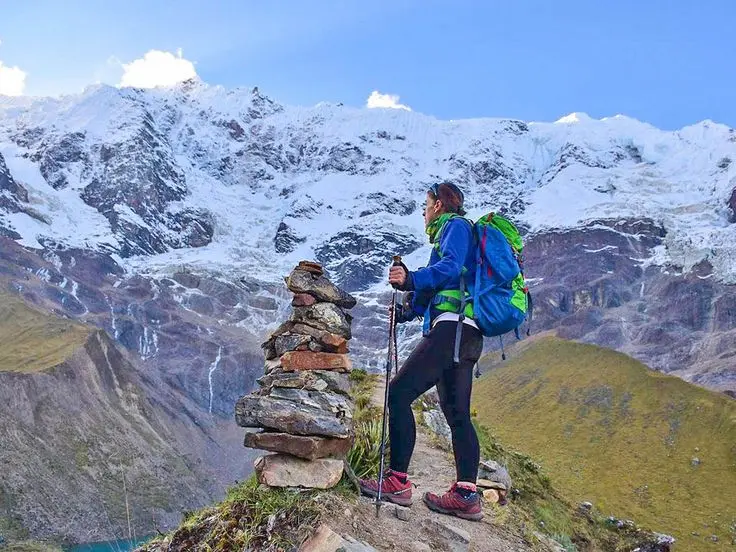
The Salkantay Trek is an alternative route to Machu Picchu that passes near Salkantay Mountain, one of the most impressive snow-covered peaks in the Cusco region.
The classic journey normally lasts five days and four nights, although four-day and longer versions are also available. The route takes hikers through high-altitude landscapes, glacial valleys, cloud forest and warmer subtropical areas before reaching Machu Picchu Pueblo.
Unlike the Inca Trail, the Salkantay Trek does not follow a single strictly controlled archaeological route. This usually makes it easier to organize when Inca Trail permits are no longer available. However, travelers still need a separate entrance ticket for Machu Picchu.
Peru’s official tourism website presents Salkantay as one of the country’s major trekking experiences and describes a typical itinerary of five days and four nights. Peru Travel: Mount Salkantay
Inca Trail vs. Salkantay Trek: Main Differences
| Feature | Classic Inca Trail | Salkantay Trek |
|---|---|---|
| Standard duration | 4 days and 3 nights | 5 days and 4 nights |
| Main attraction | Inca history and archaeological sites | Mountains, glaciers and changing ecosystems |
| Highest point | Dead Woman’s Pass, about 4,215 m | Salkantay Pass, approximately 4,600 m |
| Difficulty | Moderate to challenging | Challenging |
| Access control | Strict permit system | More flexible availability |
| Independent trekking | Not permitted | Possible, although professional support is recommended |
| Accommodation | Designated campsites | Campsites, lodges or domes, depending on the program |
| Arrival at Machu Picchu | Through the Sun Gate | Normally through Machu Picchu Pueblo |
| Archaeological sites | Several along the route | Fewer archaeological attractions |
| Natural scenery | Mountains and cloud forest | Glaciers, high mountains and cloud forest |
| Number of hikers | Limited by official capacity | Generally less strictly restricted |
| Advance booking | Essential | Recommended but usually more flexible |
Which Trek Has More History?
Archaeology on the Inca Trail
The Inca Trail is the better choice for travelers interested in history and archaeology. The journey is not simply a path leading to Machu Picchu—it is part of an ancient road network connecting ceremonial, administrative and residential sites.
Depending on the itinerary, hikers may see archaeological complexes such as:
- Llactapata
- Runkurakay
- Sayacmarca
- Phuyupatamarca
- Wiñay Wayna
- Inti Punku
Walking on original stone paths and entering Machu Picchu through the Sun Gate creates a strong sense of historical continuity. The route combines archaeology with the biodiversity of the Historic Sanctuary, which contains numerous ecosystems and significant wildlife. SERNANP: Historic Sanctuary of Machupicchu
History on the Salkantay Trek
The Salkantay Trek has deep cultural significance because Salkantay is considered an apu, or sacred mountain, in the Andean worldview. Local communities continue to recognize the spiritual importance of the mountains and surrounding landscape.
However, the standard Salkantay route contains fewer archaeological sites than the Inca Trail. Its greatest attractions are the snow-covered mountains, glacial valleys and ecological diversity.
Verdict: Choose the Inca Trail for archaeology and Inca history. Choose Salkantay for natural scenery and Andean mountain culture.
Which Trek Has Better Landscapes?
Both routes are beautiful, but they emphasize different types of scenery.
Inca Trail landscapes
The Inca Trail combines:
- High Andean passes
- Stone stairways
- Archaeological sites
- Mountain valleys
- Cloud forest
- Orchids and native vegetation
- Panoramic views of Machu Picchu
The transition from exposed mountain terrain to humid forest is one of the most memorable features of the route.
Salkantay Trek landscapes
The Salkantay Trek includes:
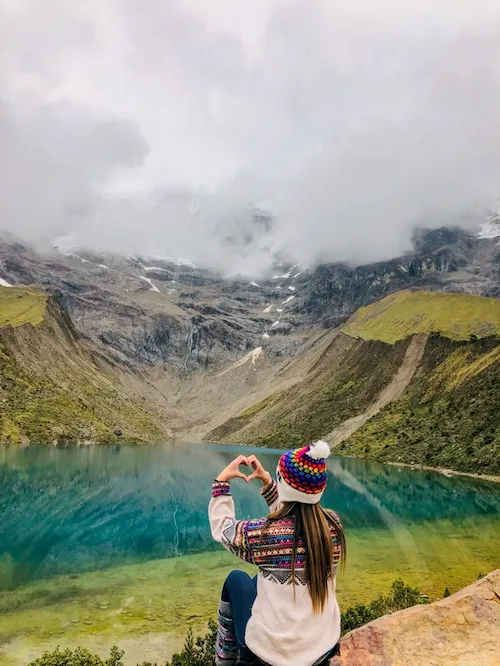
- Views of Salkantay and Humantay mountains
- Glacial valleys
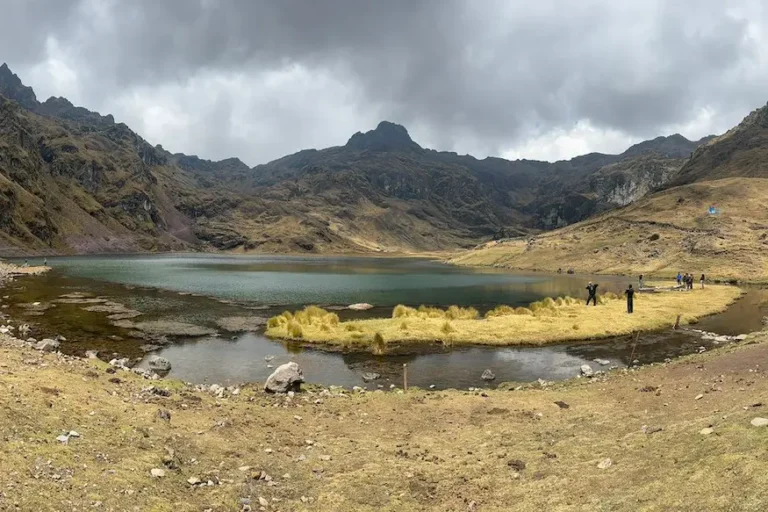
- High-altitude lagoons
- Rocky mountain passes
- Cloud forest
- Waterfalls and rivers
- Warmer subtropical vegetation
Its landscape changes dramatically over the course of the trek. One day you may walk near glaciers and the next through a warm valley surrounded by dense vegetation.
Verdict: The Inca Trail offers the best combination of nature and archaeology. Salkantay offers more dramatic high-mountain scenery.
Which Route Is More Difficult?
Both treks require good physical preparation, but the Salkantay Trek is generally considered more demanding because it reaches a higher elevation and often involves longer daily distances.
Difficulty of the Inca Trail
The Classic Inca Trail is considered moderate to challenging. Its main difficulties include:
- Thousands of uneven stone steps
- Long ascents and descents
- Several consecutive days of hiking
- Humidity and rain in the cloud forest
- The climb to Dead Woman’s Pass
- Limited at campsites
Dead Woman’s Pass, known locally as Warmiwañusca, reaches approximately 4,215 meters above sea level and is the highest point of the classic route.
Difficulty of the Salkantay Trek
Salkantay is normally considered challenging. Its principal difficulties include:
- An altitude of approximately 4,600 meters at Salkantay Pass
- Colder and more exposed mountain conditions
- Longer hiking distances
- Rapid changes in weather
- Several different ecosystems
- Physical fatigue accumulated over five days
Although the Inca Trail contains more stone steps, the altitude and distance often make Salkantay physically harder.
Verdict: Salkantay is generally more demanding, while the Inca Trail can be particularly difficult for travelers who struggle with steep stairs.
Which Trek Is Better for Altitude?
Neither route should be attempted immediately after arriving in Cusco.
The Inca Trail reaches approximately 4,215 meters, while the Salkantay Trek normally reaches around 4,600 meters. This difference makes altitude a more significant challenge on Salkantay.
Before beginning either trek, travelers should spend at least two or three days acclimatizing in Cusco or the Sacred Valley. During this period, rest, stay hydrated, avoid excessive physical effort and observe how your body responds to the elevation.
Altitude sickness can affect anyone, regardless of age or fitness. Persistent or worsening symptoms should never be ignored.
Permits and Availability
Inca Trail permits
The Inca Trail has limited daily capacity and requires an official permit registered with the traveler’s passport information. Access is only possible through an authorized tour operator.
Permits can sell out several months in advance, especially for the dry season. Once the spaces are exhausted, another agency cannot legally create an additional permit.
Travelers should also verify the trail’s operating calendar before choosing their dates, as scheduled closures may occur for conservation and maintenance.
Salkantay availability
The Salkantay Trek does not use the same limited permit system as the Inca Trail. Therefore, it normally offers more flexibility for travelers making reservations closer to their departure date.
Nevertheless, the Machu Picchu entrance is limited and must still be reserved. Availability on the Salkantay route does not guarantee availability for the desired Machu Picchu circuit.
How Do the Routes Enter Machu Picchu?
This is one of the most important differences.
The Classic Inca Trail traditionally approaches Machu Picchu through Inti Punku, the Sun Gate. This allows hikers to see the Inca city from above before continuing toward the archaeological complex.
The traditional Salkantay Trek normally finishes in the area of Machu Picchu Pueblo. Travelers then enter Machu Picchu the following day using the route indicated on their entrance ticket.
If arriving directly through an ancient gateway is important to you, the Inca Trail has a clear advantage.
Which Trek Has Better Accommodation?
Accommodation on the Inca Trail
The classic route uses designated campsites. Services usually include tents, sleeping mats, meals, porters and cooking equipment, depending on the selected tour.
Accommodation is relatively simple because permanent hotels and private lodges are not part of the protected trail.
Accommodation on the Salkantay Trek
Salkantay offers more variety. Depending on the operator and itinerary, travelers may sleep in:
- Traditional tents
- Mountain lodges
- Cabins
- Domes
- Basic rural accommodation
This flexibility may make Salkantay more comfortable for travelers who want a trekking experience without camping every night.
Inca Trail vs. Salkantay: Which Is More Expensive?
The Classic Inca Trail is often more expensive because the package includes regulated permits, specialized logistics, authorized personnel and support services inside a protected area.
Salkantay may offer a wider range of prices because operators use different accommodation and service levels. A basic camping program can be more affordable, while lodge-based options may cost considerably more.
When comparing prices, check what is actually included:
- Machu Picchu entrance
- Train tickets
- Transportation
- Professional guide
- Camping equipment
- Sleeping bag
- Meals
- Porters, horses or mules
- Accommodation
- Emergency oxygen
- Return to Cusco
The lowest advertised price is not always the best value if essential services are excluded.
Best Time for the Inca Trail and Salkantay Trek
The recommended trekking period is generally between April and October, when rainfall is usually lower and trails tend to be more stable. SERNANP also identifies April through October as the recommended season for visiting the Historic Sanctuary of Machu Picchu. SERNANP visitor information
June, July and August often provide clearer weather but may bring very cold nights and greater demand.
November through March is the rainier period. The landscape becomes greener, but hikers may encounter:
- Muddy or slippery trails
- Reduced visibility
- Heavy rainfall
- Delays caused by weather
- Greater risk of route changes
Mountain weather is unpredictable throughout the year, so waterproof clothing is always necessary.
Choose the Inca Trail If:
- You are fascinated by Inca history.
- You want to visit archaeological sites along the route.
- You want to walk on original Inca paths.
- Entering Machu Picchu through the Sun Gate is important to you.
- You prefer a four-day itinerary.
- You can reserve several months in advance.
- You are comfortable with regulated campsites and a fixed itinerary.
Choose the Salkantay Trek If:
- You prefer dramatic mountain and glacial scenery.
- You enjoy demanding high-altitude adventures.
- Inca Trail permits are unavailable.
- You need more flexibility when selecting your trip.
- You want different accommodation options.
- You have approximately five days available.
- Archaeological sites are not your main priority.
Can Beginners Complete These Treks?
A physically active beginner can complete either route with appropriate preparation, acclimatization and professional support.. However, neither should be considered an easy walk.
Before traveling, include regular cardiovascular exercise, long walks, uphill training and stair climbing in your preparation. Whenever possible, train with the footwear and backpack you plan to use in Peru.
A traveler’s mental preparation is also important. Cold, rain, fatigue and basic accommodation can make the experience more challenging than the distance alone suggests.
Essential Packing List
For either trek, consider bringing:
- Broken-in trekking boots
- Waterproof jacket
- Warm layers
- Lightweight hiking clothing
- Hat and gloves
- Sun hat and sunglasses
- High-SPF sunscreen
- Insect repellent
- Reusable water bottle
- Personal medication
- Headlamp
- Trekking poles with rubber tips
- Passport
- Portable charger
- Small backpack
- Rain cover or dry bags
Avoid packing unnecessary items. A lighter backpack makes long climbs significantly more manageable.
Frequently Asked Questions
Is Salkantay better than the Inca Trail?
Salkantay is better for travelers who prioritize mountains, glaciers and a challenging natural adventure. The Inca Trail is better for travelers interested in archaeology, original Inca paths and entering Machu Picchu through the Sun Gate.
Is Salkantay harder than the Inca Trail?
Generally, yes. Salkantay reaches a higher elevation and often involves longer hiking distances. However, the many steep stone steps make the Inca Trail challenging in a different way.
Can I hike the Inca Trail without a tour?
No. Entry to the protected Inca Trail network must be arranged through an authorized travel agency. Official SERNANP regulations and visitor information
Does the Salkantay Trek require a permit?
It does not use the same restricted permit as the Classic Inca Trail. However, local entrance payments may apply, and a separate Machu Picchu ticket is required.
Which trek reaches Machu Picchu through the Sun Gate?
The Classic Inca Trail reaches Machu Picchu through Inti Punku. The standard Salkantay route normally approaches through Machu Picchu Pueblo.
How far in advance should I book?
Book the Inca Trail as early as possible because spaces are strictly limited. Salkantay is more flexible, but advance booking is still advisable to secure your preferred Machu Picchu circuit and travel dates.
Inca Trail or Salkantay: Final Verdict
There is no single route that is better for everyone.
The Inca Trail is the best choice for history, archaeological sites and the iconic entrance to Machu Picchu through the Sun Gate. It offers a carefully regulated journey that follows ancient paths through the protected sanctuary.
The Salkantay Trek is the better option for high-mountain scenery, physical challenge and greater booking flexibility. Its glaciers, valleys and changing ecosystems create one of Peru’s most impressive trekking experiences.
Whichever route you choose, proper acclimatization, physical preparation and reliable organization will make your journey safer and more enjoyable.